Introduction
Dysphagia, or trouble ingesting, is a critical concern dealt with by several individuals, especially the senior and those with neurological conditions. This problem can cause severe issues, including goal pneumonia and malnutrition, which underscores the requirement for reliable dysphagia monitoring. Thus, dysphagia training for carers has actually become an essential part in guaranteeing that caregivers are equipped with the knowledge and skills needed to sustain individuals encountering this challenge. In this write-up, we will explore numerous elements of dysphagia training, its significance, best methods in interaction techniques, and much more.
Understanding Dysphagia: A Quick Overview
What is Dysphagia?
Dysphagia refers to problems in ingesting that can occur at various phases of the swallowing procedure. The causes can range from neurological conditions like stroke or Parkinson's condition to structural abnormalities in the throat or esophagus.
Types of Dysphagia
Oropharyngeal Dysphagia: Problem starting swallowing. Esophageal Dysphagia: Feeling of food being stuck in the esophagus.Why is Dysphagia Important?
Understanding dysphagia is critical for caregivers as it straight affects an individual's lifestyle. Proper management can help prevent severe wellness dangers connected with malnutrition and dehydration.
The Value of Dysphagia Training for Carers
Role of Carers in Taking Care Of Dysphagia
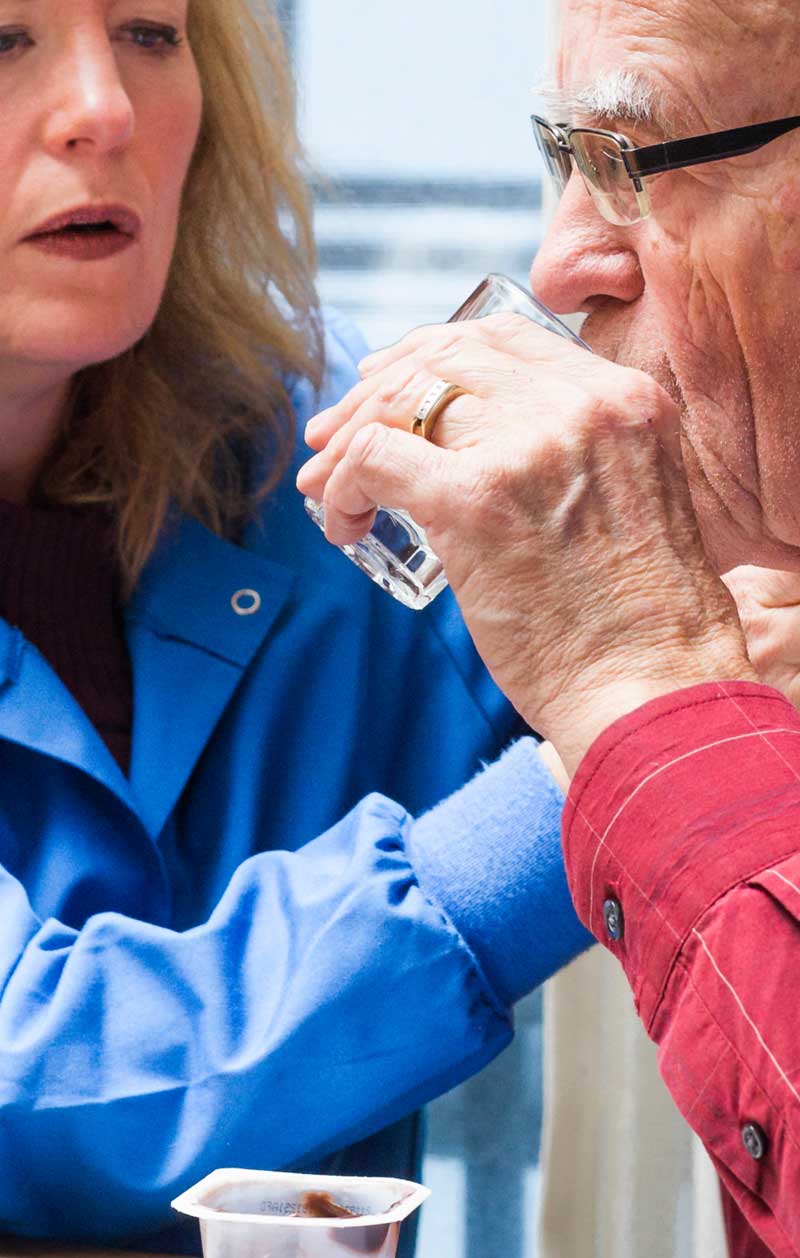
Caregivers typically play a pivotal duty in monitoring and managing dysphagia among clients. This consists of dish preparation, guidance during consuming, and acknowledging indicators of distress.
Need for Specialized Training
Without correct training, caretakers may not acknowledge the symptoms of dysphagia or execute secure feeding approaches. Reliable dysphagia care training boosts their expertise and confidence in managing such situations.
From Theory to Practice: Involving Dysphagia Training for Carers
Engaging dysphagia training programs link the gap in between theoretical expertise and real-life application. dysphagia training course These courses are developed to supply sensible abilities while equipping caregivers with evidence-based methods to take care of dysphagic clients effectively.
Components of a Reliable Dysphagia Training Course
Curriculum Development
The educational program ought to cover vital subjects such as:
- Anatomy and physiology of swallowing Assessment methods for dysphagia Safe feeding practices Emergency action procedures
Interactive Discovering Methods
Utilizing interactive techniques like role-playing situations or simulation exercises aids strengthen understanding by enabling participants to exercise their skills in a risk-free environment.

Incorporating Modern technology into Training
Online components and video tutorials can reinforce traditional mentor techniques by providing adaptable learning choices that satisfy different knowing styles.
Essential Abilities Covered in Dysphagia Care Training
Recognizing Signs of Dysphagia
Training should concentrate on determining common indications such as coughing throughout dishes or complaints of pain while swallowing.
Safe Feeding Techniques
Caregivers find out how to modify food structures and implement ideal placing approaches that minimize choking risks.
Dysphagia Training Training courses Available Today
There are various training courses readily available today targeted at enhancing skills relevant to dysphagic care:
Online courses focusing on theory. Hands-on workshops emphasizing useful applications. Specialized modules made for registered nurses involved in direct individual care.Dysphagia Training for Nurses: A Special Perspective
Nurses play an important component in managing people with dysphagia. Specialized training can enhance their capacity to analyze risks and carry out treatment techniques effectively.

Best Practices in Delivering Engaging Dysphagia Training
Utilizing Real-Life Scenarios
Presenting study from real-life experiences makes it possible for participants to talk about challenges they may face when taking care of individuals with dysphasia.
Encouraging Peer Communication and Feedback
Creating a collaborative atmosphere permits learners to share expertise and experiences while promoting a helpful network amongst carers.
Measuring the Influence of Interaction Approaches in Training
Assessment Tools for Examining Effectiveness
Implementing pre-and post-training analyses can determine understanding gains efficiently while showing locations needing improvement.
Long-term Follow-up Programs
Establishing follow-up sessions makes certain that caretakers proceed exercising their found out skills within their functions over time.
Challenges Encountered Throughout Dysphasia Treatment Training Implementation
While engaging training is essential, several obstacles might occur:
Resistance from team who regard training as unnecessary. Time constraints impacting participation rates.
Addressing these issues with effective interaction techniques is vital for successful implementation.
FAQs concerning Engaging Dysphasia Training for Carers
What is the duration of a common dysphoria training course?- Most programs vary from half-day workshops to full-week programs depending upon depth.
- Caregivers, taking care of personnel, relative associated with caring for people with dysplasia should participate in these trainings.
- Yes! On the internet training courses permit adaptability but needs to be supplemented with useful hands-on experiences.
- Symptoms consist of coughing throughout meals, too much drooling, or problem chewing/swallowing.
- It's suggested every 1-2 years due to advancing ideal techniques in healthcare.
- Many training courses use certifications which can include value skillfully but check private training course offerings.
Concluding Thoughts on Involving Dysphaia Training
In conclusion, efficient engagement through well-structured dysphaia training programs empowers carers with crucial skills necessary for giving high quality support. As recognition proceeds growing around unique challenges postured by this problem-- spending resources into thorough education and learning comes to be critical towards boosting patient end results-- ensuring those impacted receive ideal treatment customized particularly according their demands whilst enhancing total wellness throughout diverse populaces globally!
This long-form write-up offers understandings right into appealing dysaphgia training practices customized specifically towards carers highlighting its significance in addition to resolving usual queries surrounding such initiatives!